
Where to Buy Formply: A Builder’s Guide to Choosing the Right Formply
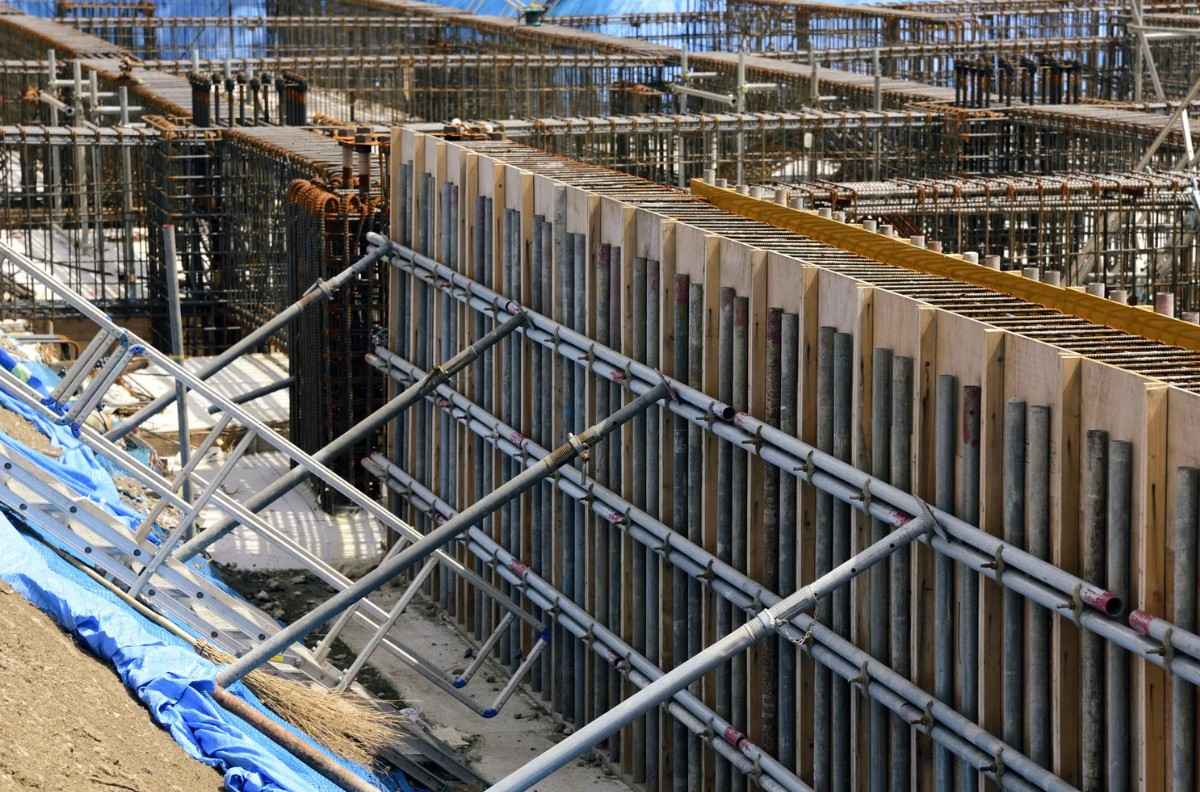
Formply is formwork plywood made to hold wet concrete and leave a consistent surface finish. Builders use it because it is faster to cut, fix, and adapt on-site than many alternatives, while still handling repeated wet cycles when specified and installed properly.
It is typically a structural plywood with a resin-treated or film-faced overlay designed to resist moisture, abrasion, and concrete paste. The face is the key, because it affects both durability and the quality of the concrete finish.
How is formply different from “concrete plywood” and standard structural plywood?
Buy formply when you need formwork that delivers reliable surface finish, wet durability, and predictable performance under load. Formply is engineered specifically for concrete applications, unlike standard structural plywood, which—while strong—is not always designed for repeated exposure to moisture, edge stress, and concrete contact.
In practice, when you buy formply, you’re getting a product with a tougher overlay, a stronger glue line suited for wet conditions, and sealed edges that help prevent swelling. These features are essential to avoid common issues such as early delamination, surface bubbling, and edge blow-outs during stripping.
What job does formply actually do on-site?
Formply is the mould that holds fresh concrete in the right shape until it cures. It resists hydrostatic pressure, keeps dimensions true, and helps you strip and reset quickly for the next pour.
It also controls the visual result. A clean, consistent face can reduce patching, sanding, and remedial work, especially on walls and columns where defects are obvious. The “speed” benefit is real too, because plywood is easy to drill, nail, screw, and repair.
Why does modern architecture make formply selection more important?
Curves, reveals, and architectural concrete finishes demand more from the sheet face and stiffness. With the right formply, curved concrete forms are achievable using thinner sheets, tighter framing, and controlled fixings rather than forcing thick sheets to bend and cracking the face.
Common approaches include kerfing on the non-face side, using segmented panels, or using thinner sheets where the design allows. The tighter the radius, the more the formwork becomes a system problem, not just a sheet choice.
How do LVL formwork members and reo bars fit into the picture?
Formply is only as good as the framing behind it and the reinforcement inside it. LVL formwork members provide the straight, predictable support that reduces deflection, rippling, and blow-outs.
Reo bars provide the long-term structural capacity once the concrete cures. Formply shapes the pour, but correct bar size, spacing, chairs, and cover determine strength and durability. On coastal and exposed projects, rust-resistant reo bar can materially improve service life.
Formply vs other concrete form materials (steel, plastic, phenolic boards)
Formply often wins on cost, availability, cutability, and ease of handling on Australian sites. It is lighter than steel, easier to customise than plastic systems, and quicker to patch and keep moving when geometry changes mid-job.
Alternatives can win when reuse cycles are extreme, finishes are specialised, or abrasion is relentless. Steel can deliver very high repetition with consistent finish, and proprietary phenolic boards can suit specific systems. For small-to-mid pours, mixed geometry, and fast turnaround, formply remains the practical default.
Why do framing and reinforcement choices matter (LVL + reo bars)?
LVL spacing, orientation, and bracing control how much the formply deflects under wet concrete pressure. If the LVL is too widely spaced or poorly braced, even premium sheets can ripple, blow out at joints, or telegraph framing lines into the finish.
Reinforcement choices matter for different reasons. Correct reo placement and cover reduce cracking risk, improve capacity, and support long-term durability. If the steel is wrong, a perfect mould still produces a weak outcome.
What Thickness and Sizes of Formply Should Builders Choose?
Thickness and sheet size should be chosen around span, stud spacing, pour height, and the finish you need. If you start with the framing layout and expected pour pressure, the sheet choice becomes simpler and more defensible.
In Australia, 2400 x 1200 mm sheets are common, with thicknesses often selected across typical formwork ranges. Project specs and engineering requirements always take priority, especially for commercial walls, columns, and higher pours.
Choosing thickness based on pour pressure and support spacing
A practical rule of thumb is that taller pours and wider spacing demand thicker or stiffer sheets because wet concrete pressure increases quickly with height and placement rate. If the sheet is too thin for the support spacing, you can get deflection, rippling, joint opening, and blow-outs.
Going too thick has its own cost. You pay more, handling is slower, and cycling can suffer. The best choice is the thinnest sheet that meets stiffness and safety requirements with the framing you can actually build accurately.
F14 vs F17 formwork plywood: what should builders care about?
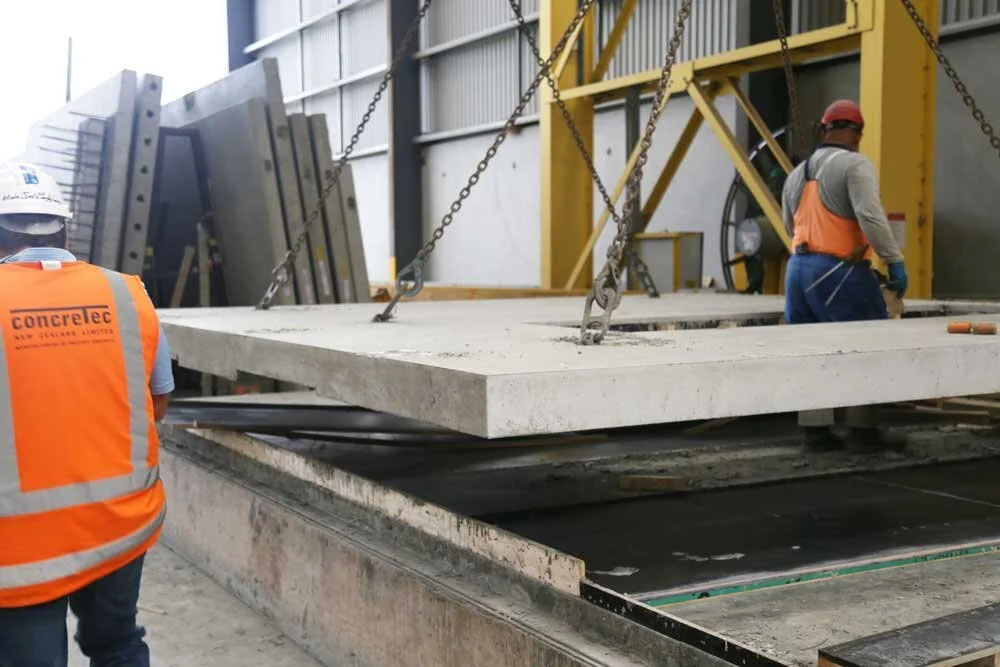
F14 and F17 are stress grades that relate to strength and stiffness under load. In formwork terms, that translates to how confidently the sheet resists bending and how well it holds a flat, consistent finish with fewer surprises.
F14 can be suitable for lighter-duty work with tighter spacing, smaller pours, and controlled conditions. F17 is often the safer option when loads are higher, cycles are faster, or the job is more commercial and less forgiving. Your selection should follow engineering requirements, desired reuse, and how much risk you can accept on finish and rework.
Sizing for curved concrete forms (modern architecture)
Curves usually push you towards thinner sheets, closer framing, and more fixings to keep the face tight to the intended radius. Instead of trying to bend a thick sheet, builders often use segmented panels, kerf cuts on the back, or layered builds where the design allows.
Finish risk rises on curves. Face cracking, telegraphing at joints, and visible panel lines are common problems, so a higher quality face overlay can be worth it when the concrete is exposed or architectural.
Other Resources : Accelerate Adoption of Wood Processing Innovation Program
What Should You Look for When Buying Formply for Construction Projects?
Buy formply based on outcomes: structural safety, finish quality, reuse cycles, and on-site productivity. In a higher-cost materials market, the cheapest sheet often becomes the most expensive once you count waste, patching, and downtime.
Treat it as part of a system. Sheet grade, overlay, edge sealing, LVL sizing, ties, bracing, and reinforcement practices all interact. If one part is weak, the whole formwork performance drops.
Face overlay and finish: when is HDO worth paying for?
HDO (High-Density Overlay) is a denser surface layer that can improve concrete finish and resist abrasion better than basic film faces. It is often worth paying for where the finish is visible, patching is expensive, or the job demands consistent results across staged pours.
Common use cases include architectural walls, columns, and any surface where light raking across the concrete will reveal defects. The trade-off is higher upfront cost, but fewer defects and longer usable life can make it cheaper overall.
Moisture resistance, edge sealing, and site durability
The fastest way to lose formply value is water ingress through unsealed or damaged edges. Swelling, face bubbling, and delamination are typically edge-led failures, especially when sheets are left on the ground or exposed between cycles.
Before buying, look for sealed edges, consistent coating, straight sheets, and minimal core void evidence. On-site, protect your investment by storing sheets flat and off the ground, covering stacks, and cleaning down quickly after stripping so paste does not grind into the face.
How should you match formply to the whole formwork setup (LVL, ties, bracing, reo)?
LVL formwork members help you get predictable stiffness and straighter results, which can reduce waste and rework. For maximum strength, LVL needs correct orientation, proper bearing, controlled spacing, and adequate bracing so loads transfer as intended.
Ties and bracing matter as much as sheets. Blow-outs are often a system failure, not a plywood failure. Reo bars also need correct chairs, spacing, and cover because good formply cannot compensate for bad steel placement or missing cover in aggressive environments.
What safety and site protection add-ons should you consider (chain & shade mesh, scaffold netting)?
Mesh and netting support safe formwork operations by controlling fall zones, containing debris, and protecting the public on urban sites. Chain & shade mesh is commonly selected in 50% or 90% coverage, depending on wind, visibility, and screening needs.
On noisy or sensitive sites, higher coverage can also help reduce nuisance and improve site presentation. For long outdoor exposure, look for UV-resistant mesh and install it properly so it stays tensioned, fixed, and effective over time.
How Many Times Can Formply Be Reused in Concrete Formwork?
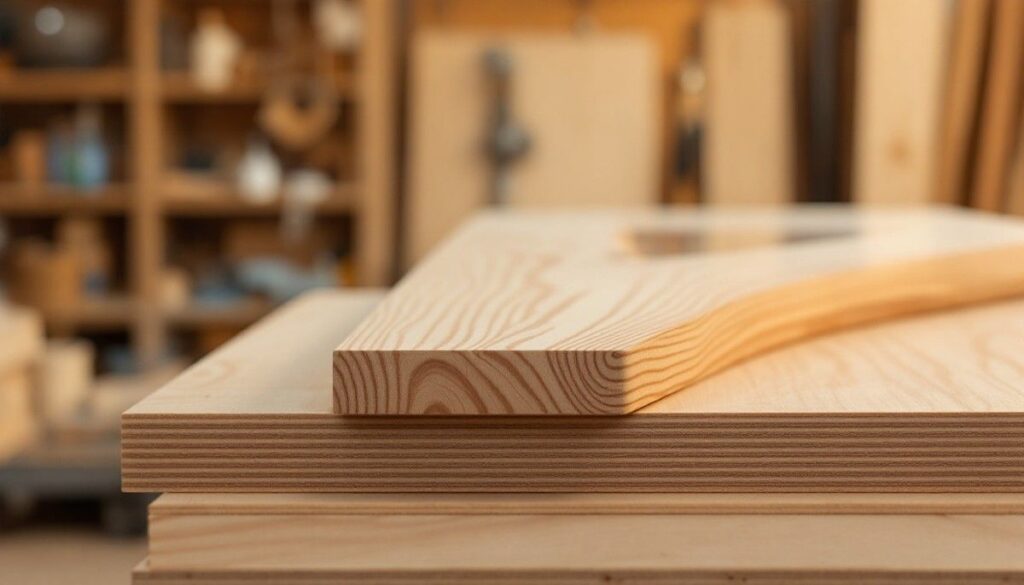
There is no single reuse number that applies to every job, because reuse depends on grade, overlay, pour practices, stripping method, and maintenance. What you can control is how quickly you damage the face and edges, because that is what usually ends a sheet’s formwork life.
A simple strategy is to reserve your best sheets for visible pours and rotate lower-grade sheets to footings or non-visual work. With Australian material costs rising, disciplined handling and maintenance can directly improve margins.
What damages formply fastest during pours and stripping?
Common pour-related damage includes face wear from paste abrasion, edge swelling from water ingress, and delamination from repeated wet cycles or impact. Inadequate support and bracing can also cause blow-outs, which often destroy sheets and create expensive clean-up.
Stripping damage is frequently human-driven: crowbar gouges, prying before the concrete releases, dragging sheets across slabs, and dropping corners. You can reduce this by using appropriate release agents, controlling vibration, allowing adequate release time, and lifting from proper points rather than levering against the face. Read more about Do Councils Require Scaffold Mesh on Construction Sites?
What maintenance habits extend formply life on-site?
Clean sheets immediately after stripping, while residue is still soft, and avoid aggressive scraping that breaks the overlay. Re-seal edges and repair chips early, because small damage quickly becomes swelling and delamination after the next wet cycle.
Store sheets flat, dry, and covered on consistent supports to prevent warping. Use appropriate fixings, avoid overdriving nails or screws, and keep fastener holes controlled so the face remains intact and the sheet stays reusable.
How Can You Tell if Formply Is High Quality Before You Buy It?
You can usually spot quality in the yard in a few minutes by checking flatness, face consistency, edge sealing, and signs of core issues. High quality sheets are straight, evenly coated, well sealed at the edges, and free from bubbling or ply separation.
Where to buy formply, in practical terms, means choosing reputable Australian suppliers who provide consistent stock, transparent specifications, and advice that matches your application. Procurement consistency matters too, because mixed batches can show up as finish variation across staged pours.
Quick yard checklist: 60 seconds per sheet
Sight down the edges to check for bow, twist, and general flatness. Inspect the face for pinholes, patches, scratches, and continuity of the overlay, because face defects often become concrete defects.
Check edges for full sealing coverage and any swelling or water staining. Look for delamination signs such as bubbles, soft spots, or separated plies. If a sheet already looks tired at the yard, it will fail quickly on a wet, fast-cycle job.
What questions should you ask before you pay (especially for large projects)?
Confirm the stress grade (such as F14 or F17) and whether the overlay is standard film face or HDO, then match that to your intended use: slabs, walls, columns, or curved forms. Ask about the adhesive and lamination suitability for repeated wet cycles, because that drives durability.
For staged pours, ask about stock consistency and whether you can secure the same spec across deliveries. Consistent quality reduces rework, makes finish outcomes more predictable, and usually lowers total formwork cost even if the sheet price is not the lowest.
Leave a Reply