
Do Councils Require Scaffold Mesh on Construction Sites?
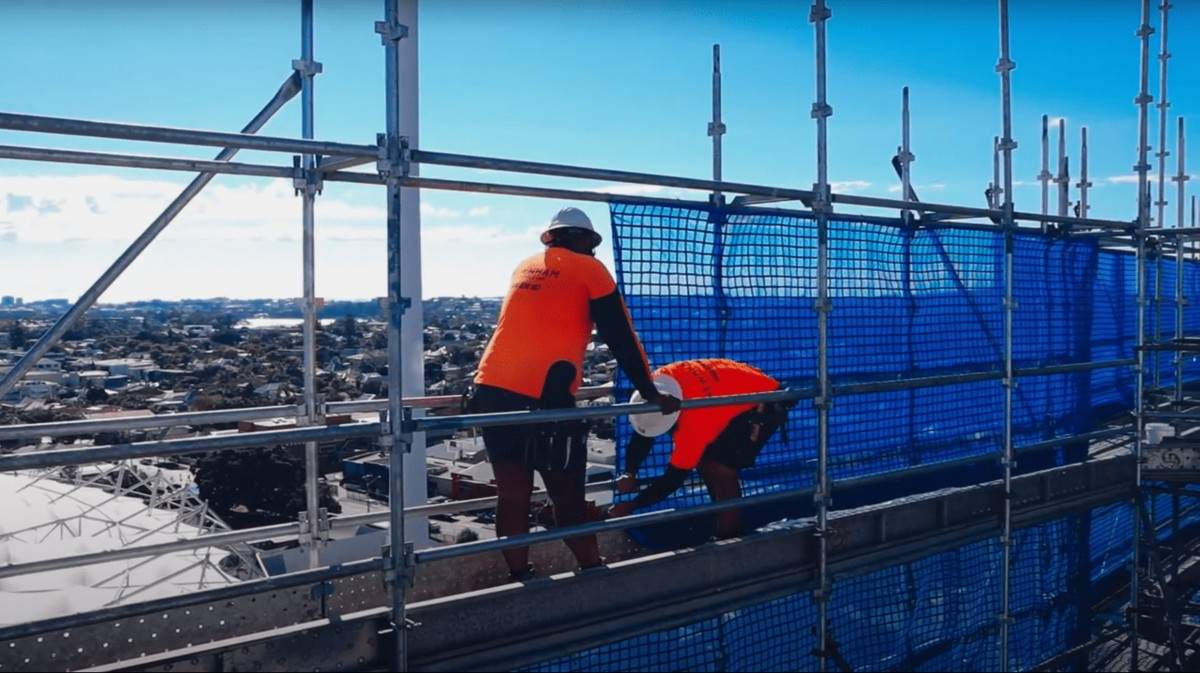
Councils do not require scaffold mesh on every job, but they often do where the public could be exposed to site risks. If your build sits near a footpath, road, neighbouring garden, school, or any high-traffic area, mesh is a common permit condition.
Their focus is simple: protect public safety and maintain local amenity. Scaffold mesh helps keep dust, light debris, and visual mess contained, which also reduces complaints about overspray, litter, or “stuff blowing onto my property”.
Councils typically enforce this through permit conditions, Construction Management Plans (CMPs), and inspections. The goal is to ensure temporary works do not create hazards beyond the site boundary.
It also helps to know the language varies. “Scaffold mesh”, “scaffold netting”, “scaffold shade cloth”, “site mesh”, and “mesh fencing” are often used together because councils and builders usually want a full perimeter-control system: mesh along scaffold edges plus ground-level boundary controls.
This becomes especially relevant during structural stages. When you are doing formwork, handling reo bar, and pouring concrete, you increase movement of materials and the chance of drop hazards, so councils are more likely to expect mesh to reduce off-site impact.
When Is Scaffold Mesh Mandatory for Building Projects?
Scaffold mesh becomes “mandatory” when it is required by a condition, not just when it is a good idea. In practice, that requirement usually comes from one or more of these sources: council or approval conditions, state or territory WHS expectations, principal contractor risk controls, and the site’s public interface.
Typical scenarios where councils and approvals commonly require mesh
Councils most often require mesh where the consequence of something leaving the scaffold is higher. That includes multi-storey builds, boundary-to-boundary sites, and any scaffold erected over or adjacent to public accessways.
Other common triggers are demolition and strip-outs, façade works, and exposed or windy locations such as coastal suburbs or elevated sites. Wind increases the likelihood of dust, loose debris, and even partially fixed materials becoming a problem outside the boundary.
Events and phases that increase the likelihood of requiring mesh
Even if the approval is silent, the risk profile of the work can make mesh effectively compulsory under WHS risk control expectations. Reo bar deliveries and tying, formwork erection and stripping, and concrete pouring all increase drop and splatter risks.
Cutting and grinding tasks also matter. Flying particles and dust are exactly the kind of “off-site nuisance” councils respond to quickly, especially in dense suburbs where neighbours can document issues easily.
How do you choose 50% vs 90% coverage?
As a rule, 50% chain and shade mesh suits sites that need airflow and basic containment. It is commonly used where you want wind load reduced while still improving control at the edge.
90% coverage is better where dust screening and visual privacy matter more, which is why councils often prefer it in tight urban environments, retail strips, or where neighbours are very close. It can also reduce the look of cluttered scaffolds, which helps with amenity expectations.
What should you confirm early so you do not get caught mid-build?
Check requirements at the start, not when scaffold is already up. Review your development consent conditions, CMP, Traffic Management Plan (TMP), and any “public protection” notes from council, an engineer, or your certifier.

Common council triggers (public-facing and high-risk sites)
If your scaffold line runs along a footpath or road, councils typically treat it as a public protection issue with overhead risk zones. The same applies where you are close to neighbouring properties, especially flats, shopfronts, and boundary-to-boundary builds.
Sites near schools, hospitals, and transport corridors often face stricter conditions too. The duty of care is higher, and tolerance for dust, noise, and visual disruption is lower.
Project stages where mesh requirements often tighten
Mesh requirements often become more strict once upper-level structural work starts. Formwork and reo handling near edges increases the likelihood of small items dropping beyond the deck.
Concrete pours can also trigger a stronger response because councils receive complaints about splatter, slurry run-off, and mess on public paths. Later, fit-out and external cladding keep edge protection relevant because tools and fixings continue to move at height.
What Safety Risks Does Scaffold Mesh Help Prevent?
Scaffold mesh is a barrier system that reduces the chance of objects, debris, and dust leaving the work area. It is not the only control you need, but it can significantly reduce off-site risk when installed and maintained properly.
Falling objects and material containment
The most obvious benefit is containing small, fast-moving items. Offcuts, hand tools, fasteners, formwork hardware, and packaging are common culprits, especially during LVL and formwork installation or when stripping panels.
This matters because a dropped wingnut or tie rod component can travel further than people expect, particularly in wind. Mesh reduces the chance that an item clears the scaffold edge and becomes a hazard to pedestrians or neighbours.
Worker safety and exclusion zones
Mesh supports an edge protection strategy by reducing distraction and helping stop items from bouncing or ricocheting off platforms. It complements guardrails and toeboards, but it does not replace them.
On busy decks, it also helps define the work zone. That can be useful during high-activity periods such as reo tying near edges or shifting formwork plywood sheets where accidental knocks are more likely.
Noise and amenity improvements
Councils often care about complaints as much as incidents. Chain and shade mesh can reduce perceived noise and visual impact, particularly on urban sites where neighbours are close and exposure is constant.
It also signals control and professionalism. A site that looks contained tends to attract fewer complaints, fewer drive-by calls to council, and fewer unexpected inspections.
Mesh fits into a broader quality and safety culture too. Good reo installation reduces rework and site mess, and maintaining formwork plywood helps avoid blowouts and slurry spills. Mesh is another layer that keeps the site controlled when things get busy.
Containing debris during structural works (formwork and reo)
Tying reo near edges, stripping plywood, and moving LVL members all increase the chance of small items falling. Mesh works best when combined with toeboards, tool lanyards, and solid housekeeping so loose items are not left on platforms.
If you reuse formwork plywood, keeping sheets in good condition also helps. Damaged edges and delamination can create more offcuts, more fragments, and more clean-up that can drift off-site.
Reducing dust, overspray, and neighbourhood complaints
Councils pay close attention to visible dust plumes, concrete or paint overspray, and litter leaving the boundary. Mesh helps, but coverage choice matters.
50% mesh is often enough for basic containment with better airflow, while 90% mesh is more effective where dust screening and privacy are key. If you are close to neighbours or public paths, higher screening can be the difference between smooth progress and repeated complaints.
What Standards Must Scaffold Mesh Meet on Construction Sites?
Councils usually do not publish a single “mesh standard” of their own. Instead, they expect compliance with broader WHS duties, scaffold design requirements, and manufacturer installation guidance, with the mesh being fit for purpose for the risks on that site.
What performance properties should you look for?
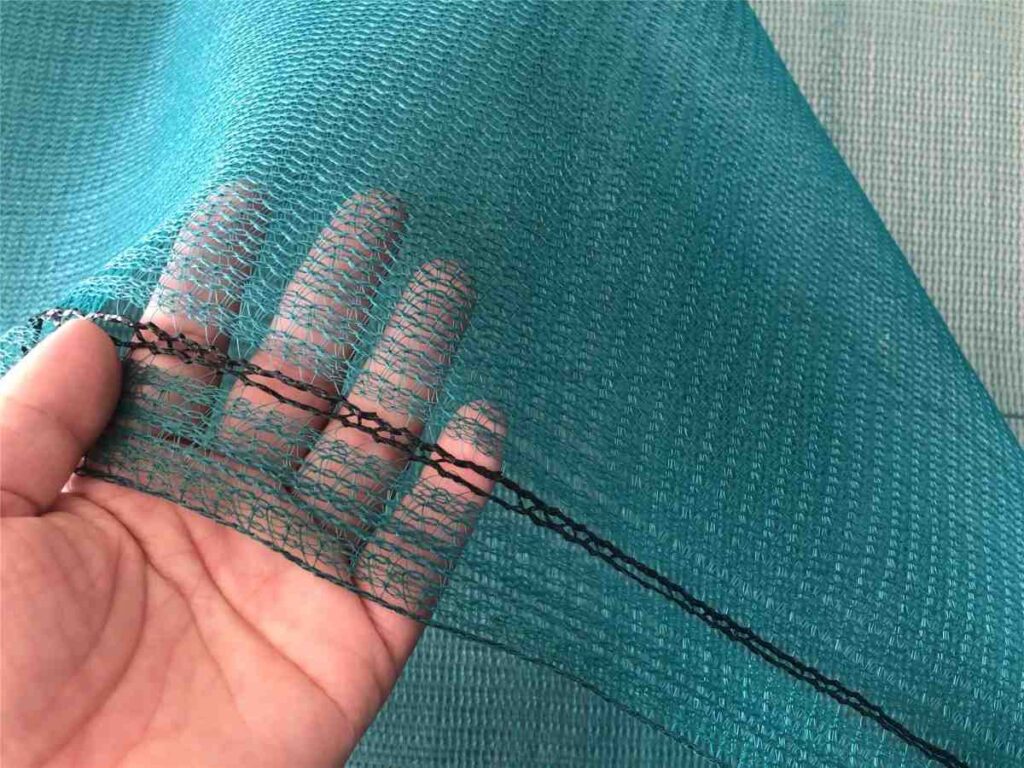
Start with durability and consistency. UV resistance matters in the Australian sun, and tear strength is important when the mesh is tensioned, exposed to wind, or handled repeatedly.
Edge reinforcement is a big practical factor because hems and eyelets often fail before the mesh body does. Fire performance may also be relevant on some projects, particularly where specific site rules or local conditions require it. Shade factor should be consistent, especially when you are choosing between 50% and 90% coverage for screening.
What changes on coastal or long-duration sites?
Coastal and long-duration installs increase wear. UV-resistant chain and shade mesh is a sensible default if the job runs for months, and rust-resistant fixings matter where salt air accelerates corrosion.
It is similar to how rust-resistant reo bar is specified to extend the service life of coastal infrastructure. The environment changes what “good enough” looks like.
How do inspection and maintenance affect compliance?
Even the right mesh can become non-compliant if it is torn, loose, or incorrectly fixed. Councils and site supervisors may expect regular checks, and damaged sections should be replaced promptly, especially after storms or high winds.
Keep mesh tensioned and secure, and make sure it still provides coverage where the public interface is highest. Loose returns and flapping sections are the issues inspectors notice first.
What documentation should you keep on site?
Keep product datasheets, installation instructions, and any evidence of compliance accessible on site. These documents support WHS controls in the CMP and make council or WHS visits faster and less confrontational.
What to check before you buy or specify mesh
Check the UV rating and expected service life for outdoor exposure. Look for reinforced hems and quality eyelets because they improve fixing safety and reuse potential.
Also match the product to the job duration. A short strip-out is different from a multi-storey build that will sit exposed through seasons.
On-site upkeep that keeps you compliant
Do daily or weekly visual checks, then inspect again after any significant wind event. Replace torn mesh rather than patching in a way that weakens fixing points.
Finally, align scaffold mesh with perimeter mesh fencing or site mesh at ground level. Gaps at the bottom edge and at returns are where debris and litter escape, and where complaints usually start. For practical advice, explore this guide on where to buy formply and how to choose the right type for your project.
Who Is Responsible for Installing Scaffold Mesh on Site?
The principal contractor or site manager is responsible for ensuring scaffold mesh is in place when required and maintained throughout the job. Licensed or competent scaffolders install and modify scaffolding and its attachments, and workers should not alter mesh without approval.
How does the council compliance chain work?
Permit conditions apply to the project, so the builder or principal contractor is accountable for meeting them. Subcontractors still have obligations, but they are generally following site rules, SWMS, and supervision.
If mesh is missing or damaged, the council typically speaks to the PC because that is who controls sequencing, budget, and site standards.
What does a sensible installation approach look like?
At a high level, the scaffold should be complete and verified before mesh is attached. Mesh should then be installed to manufacturer guidance, with correct overlap, even tensioning, and appropriate fixing spacing so it does not billow or tear.
Access points and signage still need to work. Mesh should not create blind spots for pedestrian management or interfere with safe entry, egress, and emergency response.
How should mesh be coordinated with other controls?
Mesh works best when it is part of a system. Use perimeter mesh fencing or site mesh at ground level, maintain exclusion zones during high-risk lifts, and keep housekeeping tight during formwork, reo, and concrete stages.
A practical rule is to install or upgrade mesh before higher-risk phases start, not after the first complaint or near-miss.
Roles on a typical Australian site (builder, scaffolder, subcontractors)
The builder or principal contractor identifies requirements early, budgets for them, schedules installation, and ensures inspections take place. The scaffolder installs and adjusts mesh safely as part of the scaffold system.
Subcontractors should report damage and avoid removing or modifying mesh without approval. If a workface needs temporary changes, it should be managed and reinstated properly.
Planning mesh installation around key site activities
Plan mesh before upper-level reo and formwork work, façade works, and any long periods of external exposure. Allow for deliveries and loading zones without leaving gaps on the public side.
If the site borders a footpath or road, coordinate mesh with traffic and pedestrian management. The simplest way to stay out of trouble is to check council conditions early, choose the right coverage (50% or 90%), use UV-resistant options for longer projects, and keep a basic inspection routine so you are not scrambling during council or WHS visits.
Leave a Reply